
Hampi. The name alone conjures visions of sprawling ruins, massive boulders, and the gentle hum of history whispering through the air. As a solo traveler from South India, I had always dreamed of exploring this UNESCO World Heritage site — once the flourishing capital of the Vijayanagara Empire — and finally, the opportunity arrived.
.jpg)
My journey began early in the morning from Bengaluru, hopping on an overnight bus that wound through the Deccan plateau. Arriving at Hampi by sunrise, the first sight that caught my eye was the vastness of the landscape: boulder-strewn hills, ancient temple gopurams, and the serene Tungabhadra River glinting in the morning light. The air carried a stillness that felt almost sacred — a perfect prelude to the adventures ahead.
Exploring the Heart of Vijayanagara
Walking through Hampi’s main bazaar area was like stepping back centuries. Narrow stone streets lined with carved temples, forgotten market ruins, and ancient water tanks hinted at a city once alive with royalty, traders, and artisans. My first stop was the Vittala Temple Complex, famed for its stone chariot and musical pillars. As I traced my fingers over the intricate carvings, I imagined the hands that built these masterpieces.
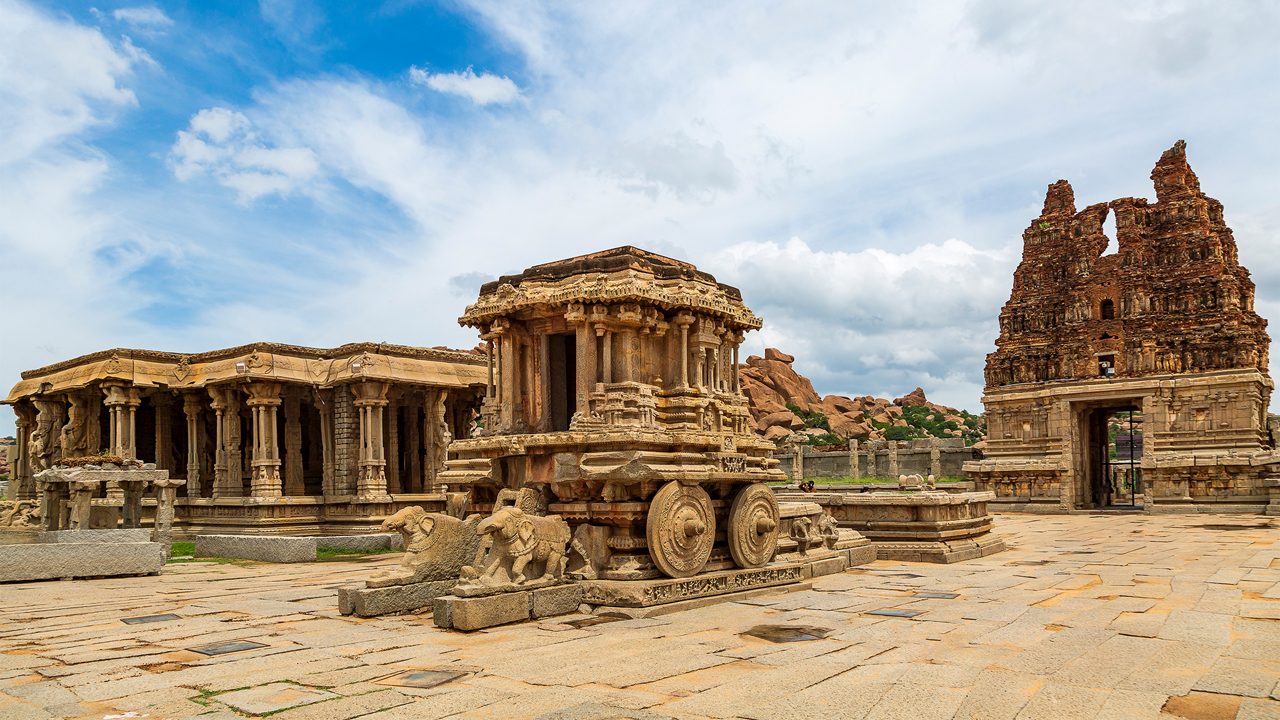
Hampi’s architecture is not just visually stunning; it tells stories. From the Virupaksha Temple — still active with devotees — to the royal enclosure and king’s palace, every structure whispered history. Exploring solo allowed me to pause, take photos, and reflect, rather than rushing through like a group tour might.
Sunrise at Matanga Hill
One of the highlights of my trip was climbing Matanga Hill for sunrise. The trek is moderate but steady, offering panoramic views of the valley and the ruins below. I began before dawn, the cool wind brushing against my face, accompanied only by chirping birds.
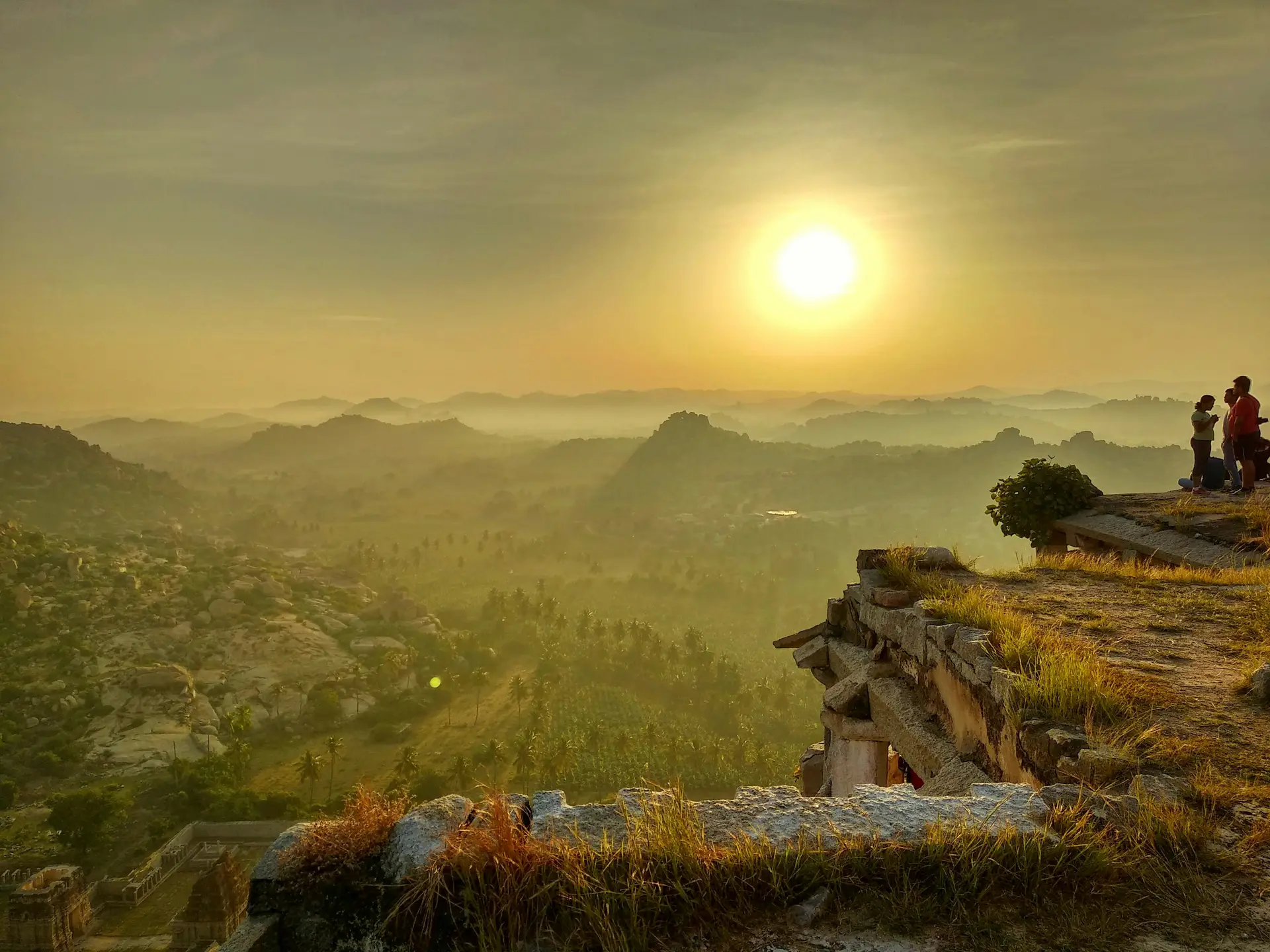
As the sun crested the horizon, Hampi transformed. The golden light illuminated the temples and boulders, creating shadows and highlights that no photograph could fully capture. Standing alone at the summit, I felt a profound connection to the history, the landscape, and the sense of timelessness that permeates Hampi.
Immersing in Local Culture
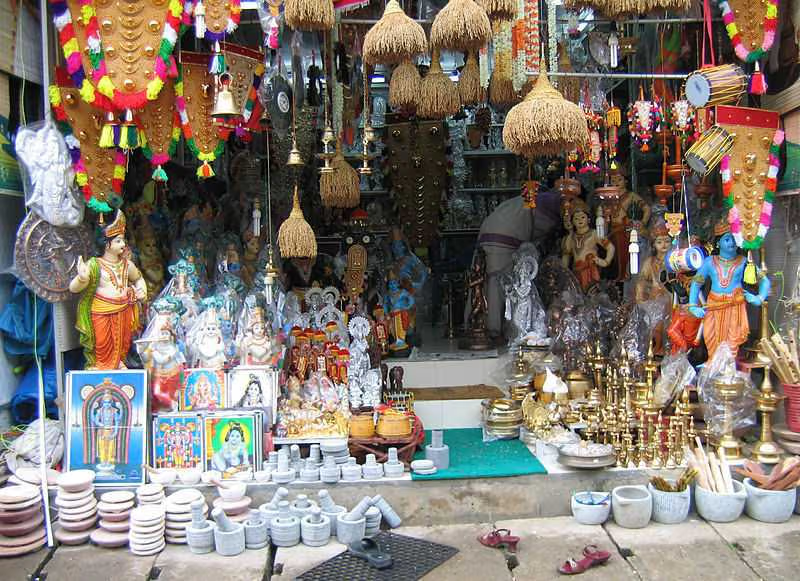
While ruins and landscapes are Hampi’s soul, its people give it life. I spent time walking through small villages, sampling local delicacies like thali meals, and chatting with artisans who continue centuries-old craft traditions. The simplicity of life here — away from modern hustle — offers insight into rural Karnataka culture.
Adventure Among the Boulders
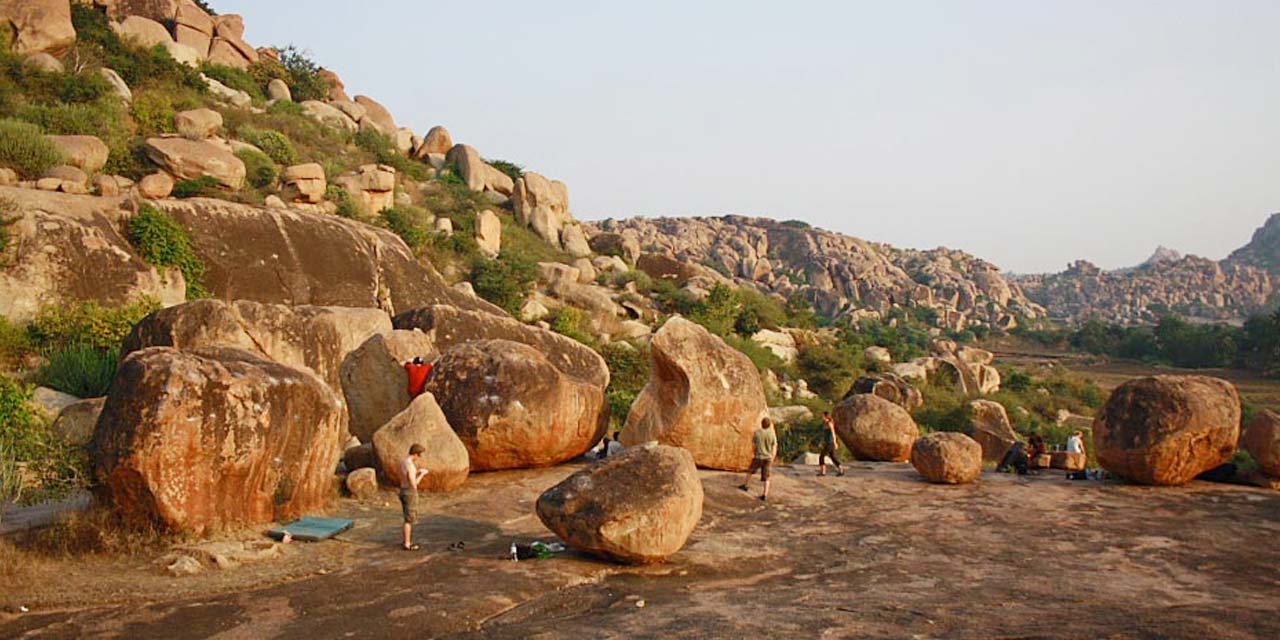
Hampi’s terrain is a playground for adventure lovers. I tried mild boulder climbing near the river and explored hidden caves that offered breathtaking views. Each step was a mix of thrill and discovery. For solo travelers, it’s important to carry enough water, wear good trekking shoes, and be cautious around unstable rocks.
Practical Travel Tips
Best Time to Visit: October – February (cool and dry)
Entry Fees: Most temple complexes are free; some sites like Vittala Temple charge ₹40–₹50 for Indians.
Transport: Bicycle or scooter rental is highly recommended for exploring ruins.
Accommodation: Guesthouses and boutique stays in Hampi Bazaar are budget-friendly.
Safety Tips: Trek with daylight, carry water, avoid slippery rocks during monsoon.
Food & Local Experiences
I indulged in local Mangalorean-style meals and roadside snacks. Don’t miss Ragi rotti, lemon rice, and fresh coconut water from village vendors. Eating locally not only satisfies your hunger but connects you with the culture and people in a memorable way.
Reflection
Solo travel in Hampi is transformative. It’s not just the monuments or hills — it’s the feeling of being a small observer in a landscape shaped by kings, artisans, and time itself. Standing amid centuries-old temples, boulders, and riverbanks, I realized travel is as much about introspection as exploration.
For anyone planning to visit South India, Hampi is a must. It blends history, adventure, and spiritual calm — all in one sprawling, timeless landscape.
Comments
0